ABVP CERTIFIES VETERINARIAN IN CANINE/FELINE PRACTICE

>> Sunday, February 8, 2015


ABVP CERTIFIES VETERINARIAN IN CANINE/FELINE PRACTICE

Hello!  The Michigan Veterinary Blog took a back seat to the certification process, but I hope to provide much more content on a regular basis.  ~ Julie

NASHVILLE, TN -- Julie Ann Hass, DVM, MS of North West Oakland County  has been certified as a Diplomate by the American Board of Veterinary Practitioners (ABVP) specializing in Canine and Feline Practice.

Dr. Hass mastered a rigorous and demanding application process and certification examination in order to obtain Diplomate status. To qualify to sit for the extensive, two-day examination, a veterinarian must complete either a residency program or six years of clinical veterinary practice. In addition, two case reports, references, descriptions of practice procedures, and professional education records must be submitted and pass review. This year's examination was given on October 29th and 30th in Nashville, Tennessee.

Dr. Hass is a graduate of the Michigan State College of Veterinary Medicine and has completed a internship in small animal medicine and surgery at Virginia Maryland Regional College of Veterinary Medicine as well as received a Masters of Science from The Ohio State University and completed a residency in veterinary neurology. She practices and is co-owner at Veterinary Care Specialists and VCS Pets First located at 205 Rowe Road in Milford for over 17 years. The combination of Veterinary Care Specialists and VCS Pets First creates a 24/7 full service community hospital that provides specialty care, emergency care and general medicine and surgical care under the same roof. 

The American Board of Veterinary Practitioners was established in 1978. It is one of twenty-one veterinary specialty groups accredited by a special committee of the American Board of Veterinary Specialties, a division of the American Veterinary Medical Association, to recognize excellence in clinical practice through the certification of species-oriented specialists. Over 900 veterinarians worldwide are certified in one of ABVP’s ten practice categories: Avian, Beef Cattle, Canine and Feline, Dairy, Equine, Exotic Companion Mammal, Feline, Food Animal, Reptile and Amphibian and Swine Health Management. For more information about ABVP, please visit www.abvp.com.


Read more...

New Application Helps Better Manage Diabetic Pets

>> Tuesday, May 20, 2014


We recently received some exciting information at our office from Abbott Animal Health, the makers of the AlphaTrak Glucometer, a product made specifically for home monitoring blood glucose of both dogs and cats.

Abbott Animal Health has created a data management program for veterinary diabetic patients. This is something that has long been available to human diabetics and has been desperately needed in veterinary medicine. The AlphaTraker, Electronic Data Master, is a very simple to use program that you can download to your PC (we did not try it on a iPad or other tablet). The program can be used if you do not use an AlphaTrak Glucometer, which is great since many clients choose to use different brands of glucometer. If you do not have an AlphaTrak you will choose manual entry. If you do have an AlphaTrak the glucometer can be attached to your computer with a cable (this is sold separately) and will automatically download the glucose readings for your pet.
What this application allows you to do is enter your pets glucose readings, times they ate, what they ate and time and dose of insulin administered for each day. You can also keep track of other laboratory testing, other medications being administered and veterinary appointments. The program easily converts this information to graphs that allow you to quickly identify trends and, most importantly, it allows you to share this information very succinctly with your veterinarian.

I feel that the key to successful long term management of most diabetics is communication between the owner and the veterinarian. No matter how diligent the owner, it is difficult to accurately communicate the day to day minutia like appetite, activity, etc. I also see many clients assume that once they establish an insulin dose and a home regimen they are on autopilot and they can either stay the course or adjust insulin doses as they see fit. This can lead to disasters or at least a poor long term outcome (shortened life expectancy, diabetic neuropathy, etc). The AlphaTraker program appears to have helped solve this issue.

Take a look at the site and download AlphaTraker and give it a try!   http://alphatraker.software.informer.com/


Read more...

The Tale of Two Frogs

>> Sunday, May 18, 2014


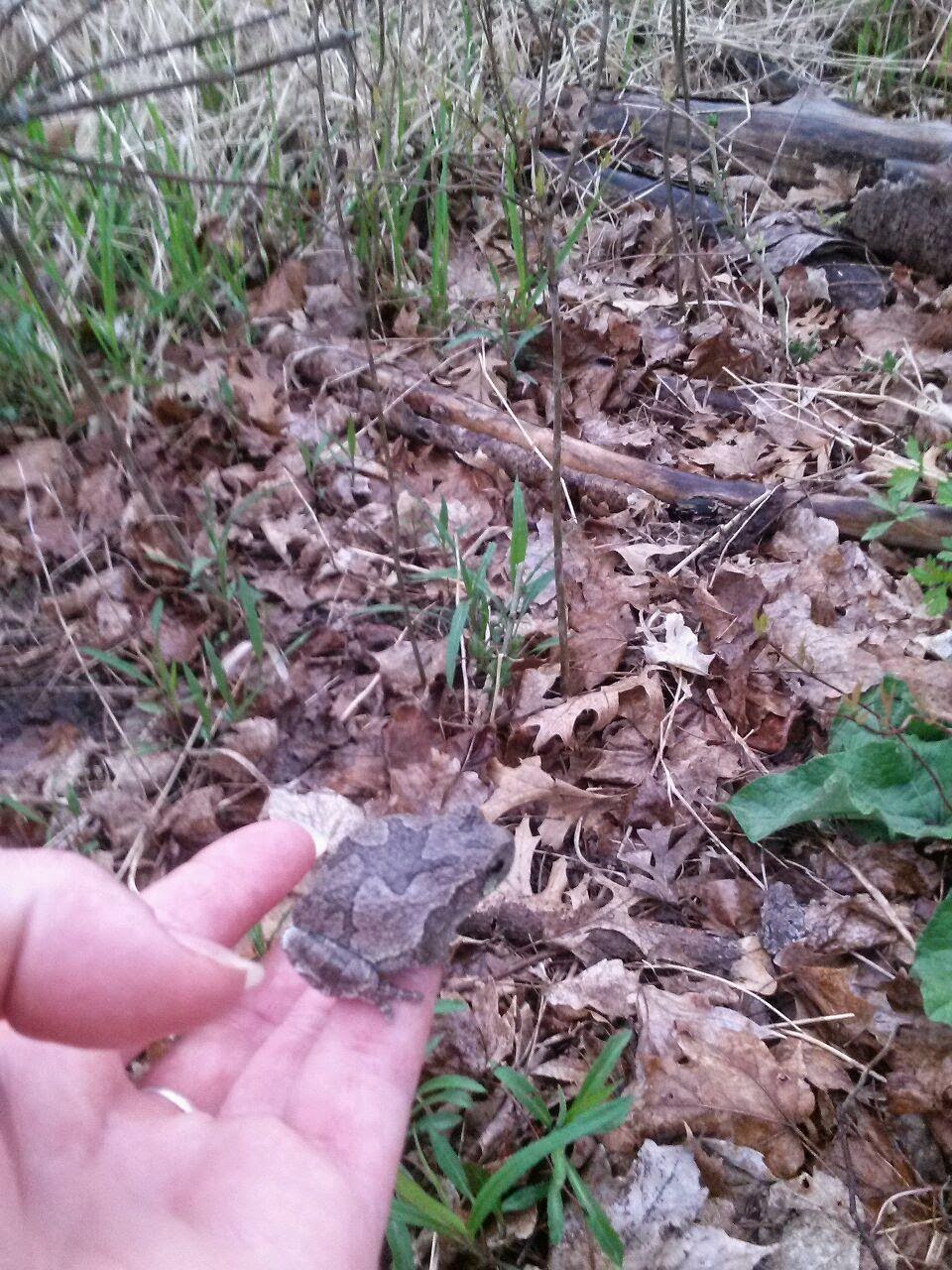
This January a woman called our office rather upset. She explained that she just noticed that her house plant had two, tiny frogs living in it! Obviously, it was not the right time of year to just release them and she didn't know how to care for them. Could we help?

Fortunately, we not only have Dr. Schmidt Dexter, who is highly trained in exotic pet care and wildlife rehabilitation, but we have a technician, Edi, who is a herpetologist. They assured her that they could help and encouraged her to bring the frogs to the office. When the tree frogs arrived they were very inactive, which was appropriate for the time of year, and they appeared healthy. They were identified as Gray Tree Frogs, a species indigenous to the area (meaning that they normally inhabit the wetlands of Michigan) and once spring came they could be released. The duo went home with Edi so they could safely continue their hibernation.

About a month ago Edi told me that the little frogs, whose cage was being kept in her bedroom,  suddenly began to sing. It appeared that the pair consisted of a male and a female and the male has a very shrill chirp (you can hear it on YouTube by searching Gray treefrog calling) that woke her abruptly from a deep sleep and left the whole house a little startled. Evidently it was getting close to time for their release.

Once the evenings were more consistently warm, the pair returned to our hospital for release. We are lucky to sit adjacent to a wetland and it seemed only right that they enjoy the beautiful habitat around our hospital. The hospital has extensive gardens, we don't use any chemicals on our lawn or flowers and during summer evenings our windows are literally plastered with all kinds of frogs. The charming couple was successfully released in the evening about 2 weeks ago. We  hope that they continue to thrive and reproduce. Who knows maybe we will see them on our windows, catching bugs, one evening this summer!


Read more...

Preparing Your Pets For Your Vacation

>> Monday, March 3, 2014

Where did everybody go?

Spring is around the corner! However this long winter has many of us planning travel to a warmer climate. We all know that preparing for even a short trip is an ordeal. As our families and our households grow so do the’ to do’ lists that we generate before leaving. Often taking our pets with us is not an option and arrangements must be made for their care. One of the important items on any pet owners travel preparation list should be a thorough assessment of your pets health and a complete plan for their care while you are gone.

Each holiday travel season, our emergency service will see numerous cases of pets who become ill at boarding facilities or are found seriously ill at home by their caregiver. In retrospect, most of these animals manifest signs of illness before their owners leave on vacation. Many of these often tragic events could be avoided by following some simple recommendations. 

  1. Any older pet (dogs over 6-7 years, cats 10 years or older) or any pet that has been recently ill should be evaluated by a veterinarian prior to your trip and given a clean bill of health before you leave. 
  2. Try to not make any major changes in your pets routine or heath care before you leave. Don’t change their diet, routine or initiate a new treatment regime, just prior to leaving. 
  3. Listen to your intuition, if your pet, regardless of their age, has been having a ‘few upset stomachs’ recently, has ‘been less active’  or has been ‘acting different’, don’t make up excuses for why this is happening, have them examined. I have recently seen a few cases where the pets were demonstrating subtle  signs that they were ill prior to their being boarded and the owner even mentioned this to the boarding facility, but it was not pursued. Unfortunately, the pets ended up critically ill in the hospital while the owner was far away on vacation. Remember, even though pets may be seriously ill, early identification could allow them to survive the illness successfully.
  4. Cats do not do well being left home with a big bowl of dry food and the neighbor checking  on them once in a while. Cats reclusive tendencies make it hard for periodic visitors to know if the cat is acting ‘normally’. Changes in appetite and litter box use may be hard for a visitor to appreciate as well. Make sure any caregiver is aware of your cats routine, usual food consumption and letterbox habits. Litter boxes should be cleaned daily (this allows easy monitoring for urine output and stool quality). Cats should be interacted with at least twice daily. Detailed instructions should be provided to the caregiver or boarding facility as to how to care for your cat. 
  5. Communication is key! Be sure your caregiver or boarding facility has your permission to seek medical care of your pet should they become ill. Have a clear understanding of where your pet will be taken and what level of care will be provided. Be sure that they have your veterinarians contact information.  If you will not be available by phone 24/7, be sure you have a family member or friend designated to be your proxy. 


Following a few easy steps such as, being sure your pet is well prior to leaving, providing thorough instructions to caregivers and being confident there is a clear plan for your pets care should they become ill, will help to make your trip enjoyable for everyone. 

Read more...

What Is Cystitis?

>> Saturday, February 15, 2014


Cystitis (sis-TI-tis) is the medical term for inflammation of the bladder. 

The bladder is shaped like a pouch or bag. It consists of a muscle with a very fragile inner lining called the mucosa. The bladder is part of the lower urinary tract. It serves as a point for urine collection. Urine is produced by the kidneys and drains through hollow tubes called ureters that run from each kidney to the bladder. From the bladder, urine flows to the urethra and then outside the body. 

Cystitis can be caused by a variety of conditions. Bacterial infections are the most common cause for cystitis, however viral infections, trauma, tumors, parasites, non-infectious or sterile inflammation (most commonly seen in cats), medications and stone or crystal formation in the bladder can also trigger extensive bladder inflammation. 

What are the signs of cystitis ? 

When our pets have cystitis it causes signs, or symptoms, like  increased frequency of urination (polakiuria), straining to urinate (stranguria), blood in the urine (hematuria), or otherwise discolored urine with inflammatory cells or crystals (pyuria or crystaluria).

Dogs and cats with cystitis are uncomfortable just like we would be, and they may demonstrate this discomfort by excessively grooming or licking their vulva or penis, scooting or licking and pulling the hair off their abdomen (their belly). Most likely due to their discomfort pets may urinate inappropriately in the house (dysuria) or just outside the litter box. 

Sometimes patients with cystitis can  have such severe inflammatory disease that they are unable to urinate. Inability to urinate due to a urethral obstruction can lead to life threatening toxemia and renal failure. Any patient with cystitis should be watched closely for signs of urinary obstruction and should be evaluated immediately if they stop urinating.

How is cystitis diagnosed ?

If you feel your pet is suffering from cystitis you should have them evaluated by your veterinarian. Cystitis can progress to renal disease, renal failure and urinary tract infections can spread to other parts of the body causing septicemia. Early diagnosis and  treatment is key to preventing other, more serious illnesses. 

 Based on a thorough history and physical examination performed by your veterinarian diagnostic tests will be recommended. A urinalysis is an evaluation of the urine. Urine samples are often collected in a sterile manner by cystocentesis or catheterization so that cultures of the urine (to identify bacterial infections and what antibiotics the bacteria will be sensitive to) can be performed. Measurements like specific gravity (how concentrated the urine is), pH, and protein levels are made as well as a cytologic or microscopic examination to look at the cells, crystals and other organisms that might be in the urine. 
Struvite Crystals (Magnesium ammonium phosphate)

Urine bacterial cultures and sensitivities are important to identify if there is an infection, name the type of bacteria and find the antibiotic that will kill the bacteria the most effectively. 

X-rays or radiographs of the abdomen and bladder allow visualization of the bladder and the rest of the urinary tract, kidneys and ureters. The shape and size of the bladder as well as the presence of stones in the bladder can be easily assessed. Introduction of a dye or contrast agent into the bladder can be performed to aid in further radiographic evaluation of the bladders position and contents. 

Ultrasound examinations of the bladder allow more detailed examination of the bladder wall, the contents of the bladder and the structure of the bladder, attachment of the ureters and urethra. 

Urinary stones or calculi form  for a variety of reasons. They range in size from microscopic crystals to large rocks. Calculi can form due to metabolic  defects or infections. Samples of calculi can be sent for analysis, once stones are analyzed treatment plans can be crafted to avoid stone reformation. 

Other tests, like cystoscopy (the use of a fiberoptic scope to examine the urethra and bladder) and surgery (cystotomy) can be utilized to retrieve biopsies, remove stones, and remove polyps or masses.

How is cystitis treated?

There are many different treatments for cystitis. Treatment plans are designed based on the underlying cause. Antibiotics, diet changes, urinary acidification or alkalization, analgesics (pain medications), glucosamine,  antidepressants, chemotherapy, surgery and cystoscopy are all treatments used for the management of the many different causes of cystitis. 

Prevention ~

As with so many health issues in our pets, the key is to follow your veterinarians recommendations, administer all medications and diets as prescribed and, most importantly, follow up with your veterinarian in the prescribed time to be sure that the cystitis was resolved.


Read more...

Getting Your Pet Safely To the Veterinary Hospital

>> Saturday, January 4, 2014


With the majority of the continental United Sates is in the deep freeze, my thoughts turned to the issue of safely transporting our pets by car. Not only do we have to concern ourselves with the road conditions and the subzero temperatures, but precautions are necessary to prevent the loss of a pet during the transportation process either in the car or while moving from house to car or from the car to the veterinary hospital. This is particularly important since many of our pets, if lost, would not be able to survive the current weather conditions. However, the following recommendations are important to consider whether it is summer or winter. Safe transport is key to not only your pets survival, but yours as well. 

So many times we see a client walking into our hospital clutching a terrified cat to their chest or with an unleashed dog walking at their side. Usually there is a collective gasp at the front desk and we run to assist the owner. Many people are surprised by our alarm. But, we have seen pets wrestle free of their owners grasp or pop out of poorly designed makeshift carriers (our favorite is the two laundry baskets, one inverted over the other, tied together with twist ties containing a wild eyed feline) to be set loose in our parking lot. Fortunately we have never seen a pet injured, but there is a very busy road in front of our practice and a  quick dart of a terrified pet in the right direction could mean tragedy. 

Sometimes the danger lies in the trip to and from the hospital in the car. Distracted driving is a leading cause of car accidents in the US and pets have been listed as number 8 in the top 10 causes for distracted driving.1 According to researchers at the University of Alabama at Birmingham, slightly more than 50% of all drivers, at some time, will take a pet with them in the car. In a study published by the journal, Accident Analysis and Prevention, among drivers over 70 years of age, driving with a pet doubled their chance of an accident. These statistics clearly illustrate the need to have our pets secured in the car so they are not a distraction. Crates, seat belts and other sundry carrying devices can go a long way towards keeping the whole family safe. 

How to keep your pet safe ~

  • Carriers -
    It’s important that you have an appropriately sized carrier that is in good repair for each of your pets. Be sure that they are functional, doors open and lock and it is sturdy, able to support the weight of your pet. You should have a carrier for each pet. Remember that although you may not bring all four (for example) of your cats to the hospital at one time (hopefully you aren’t that ambitious!), you may have a household emergency that requires evacuation of all of your pets which would be impossible without a carrier for each animal. Birds, pocket pets, snakes and tortoises need transportation as well. A visit to your local pet store can help you find the right carrier for your pet. 


  • Leashes and Collars -

Before leaving the house, be sure that your dogs collar fits snuggly. Remember your pet may not be a willing travel companion and loose stationary collars (buckle-type collars)  may allow him/her easy escape. Chain or choke collars, slip leashes, and gentle leaders provide better control and security.


  • Seat belts -
    Seat belts and carriers keep pets confined during travel and minimize distractions for the driver and reduce the risk of injury of both the pet and occupants in the event of an accident. The American Society for the Prevention of Cruelty to Animals recommends that all pets traveling by car be restrained. Remember, even carriers can be secured using seat belts.  This fall the Center for Pet Safety in Reston, Va. tested pet seat belts. They found that only Safetypods Clickit three point safety harness to be the only harness of the 11 tested that performed adequately. Soon Subaru will be offering Safetypods harness as one of their vehicles accessaries.
  • Warm up the car and cover the carrier - Small dogs, cats and exotic pets are typically much less tolerant of cold and drafts. Be sure that the car is warmed before you take them outside and cover their carrier with a warm blanket or towel to prevent exposure.


These few easy measures will help make the next trip to the veterinary hospital safe for both of you and assure that you all return home in good form. 


1. Parker, Akweli.  "10 Most Dangerous Distracted Driving Habits"  01 February 2012.  HowStuffWorks.com.   04 January 2014.

Read more...

Ten Signs Of A Sick Pet

>> Sunday, December 29, 2013

' Does my pet need to see the doctor?’, I think that this is the most commonly asked question by my clients. I hear our receptionists and technicians answering this question at least 10 times a day. Many times clients arrive voicing regret for not having visited with us sooner. They admit that they had recently wondered if something was wrong with their companion, but then the pet seemed fine later that day. However, a few days later, their pet is now  gravely ill. 

It is a daily challenge for veterinarians to sort out the subtle cues that pets share with us when they are ill. Animals express their illnesses in far different ways than people. They are obviously less vocal (ie. they don’t talk about their discomforts like we do) and they are far more tolerant of their aches and pains than we are. Over the years I have developed a strong awareness of the subtle signs that animals use to indicate whether they are in pain, feeling unwell or distressed. However, this is my profession and I have been practicing my craft for quite a few years. Here are some of the things that I suggest owners look for when deciding whether their pet needs veterinary care. Generally, these rules apply as well to a snake as they do for a cat, dog, rabbit, etc. 

  1. Listen to that little voice in your head   Your intuition is a powerful tool. If you have that nagging feeling that your pet, that individual you interact with every day, is not well, then you are most likely right and you should follow through and have that pet evaluated. The best thing that can happen is that you leave the hospital with your pet, a clean bill of health for Fido or Fluffy and the peace of mind that everything is ‘OK’. 
  2. If you cannot find them they are probably in trouble  Dogs, cats and even exotic pets often seclude themselves when they are in pain or sick. This harkens back to a primitive defense mechanisms with the pet seeking shelter and safety away from predators or other members of their pack that might injure them. However hiding makes it a lot harder for us to see that they are ill and sometimes leads to the pet deteriorating even further before interventions are applied.
  3. An unkempt pet is an unhappy pet  Just like us our pets groom themselves daily. Also, just like us, pets do not give attention to their cleanliness and appearance when they don't feel well. Cats that are ill will have a slightly greasy texture to their coat and they may have mats in their fur. Dogs too may become matted and have dirty coats and greasy skin. Even reptiles and birds may develop abnormal skin colors, scaling and may traumatize themselves and pull out feathers when they are sick or distraught. Any change in your pets coat can be an indication of serious health issues. 
  4. Changes in appetite and water consumption Most pets eat regularly and on a regular schedule. Sure your dog or cat may have a tendency to turn his or her nose up at a meal now and again, but this is part of their normal pattern of behavior. If you begin to recognize that their appetite is consistently poor or excessive or their water consumption has escalated, this is not normal. Pets, just like people are creatures of habit. When their good appetite and ‘normal’ water consumption are interrupted get them in for a much needed check up. 
  5. Sleepy and slow are not normal Pets that have become unusually quiet and sleepy are most likely not well. Many people arrive at the hospital explaining that their dog or cat had stopped jumping, playing or climbing stairs and they had attributed this to the pet getting older.
    Certainly all animals slow down with age, but is should never be abrupt and it should never be a complete refusal to perform normal activities, like climbing stairs or asking to go outside. Remember, our pets are capable of suffering a great deal of discomfort silently. It's our job to be observant caregivers. 
  6. Pets do not fall victim to the common cold! Pets do not acquire colds like their human housemates and they do not catch them from or give them to people. Sneezing, coughing , nasal congestion and ocular and nasal discharge may be due to viral infections (particularly in cats) and these may be mild and self limiting. However, it is typically the old and the young that are commonly affected and they can become very seriously ill, very quickly. Nasal tumors, abscessed teeth, foreign objects in the nose, eye infections, fungal infections, pneumonia and a myriad of other things can cause very similar signs.  Remember that cats, in particular, when deprived of their sense of smell will stop eating and this can lead to other serious consequences like hepatic lipidosis and renal failure that might be avoided with prompt treatment of the upper respiratory signs. 
  7. Accidents in the house House trained and litter trained pets do not just spontaneously stop using the litter box or stop asking to go out. If your cat urinates outside of its box or the dog is not able to get to the door in time to ask to go out, something is wrong. 
  8. Strange behavior warrants immediate attention 
    Changes in character like acting aggressive or unusually passive, pacing, circling, sleeping in strange places, becoming easily agitated, refusing to go up and down stairs, bumping into walls or going to the wrong side of the door when asking to go out are all significant changes that should send you and your pet directly to the veterinary hospital. Remember, be careful to not anthropomorphize (give your pet human emotions and motivations), if your pets behavior has changed remarkably, they should be evaluated by a veterinarian. 
  9. Vomiting and diarrhea are serious problems This seems like an obvious fact, but often pets arrive with lengthy histories of vomiting and diarrhea and by the time the pet is presented to the hospital they are profoundly dehydrated, may have low blood sugar, renal compromise and many other secondary issues. Again, the very young and the geriatric animals are the most likely to become critically ill quickly. Addressing a minor gastrointestinal upset early may save money as well as your pets life. 
  10. Weight loss or weight gain can be signs serious illness Monitoring your pets weight is one of the best ways of monitoring their well being. Often small changes in body weight may be among the very first signs of serious illness. I think this is especially helpful with cats and exotic pets who often make it very challenging to appreciate the early signs of illness. 
The last thing to remember: If you feel your pet is not well and you visit your veterinarian and he/she does not take the time to listen to your concerns, does not evaluate your pet thoroughly and does not have a thoughtful discussion about the issues you have raised, don't be discouraged or feel embarrassed. But, do find a new veterinarian! Remember, early treatment of most health issues is the key to the most successful outcome possible.

Read more...

VCS Patient Has A Nose For Success!

>> Thursday, August 1, 2013

Scarlett celebrated her 5th birthday at a nose work competition
(C-WAGS Scent Trials) in Garden City last Sunday. She qualified in two trials by finding an essential oil scent in one of eleven closed boxes--cypress in the first trial and birch in the second. If she can qualify in two more trials, she will earn a Scent Detective Level 1 title and move on to the next level. She has been working really hard at school so we were very happy. There is a picture of her attached along with her ribbons and toy prizes. She was a very good girl at the competition. She only tried to eat two big dogs who were both very rude and she barked at the judge who changed position in the ring during the second trial . For Scarlett that was exceptionally good behavior!


Read more...

Why take your 'healthy' cat to the veterinarian?

>> Sunday, March 31, 2013


Yesterday, a friend of mine asked me why she had received a reminder to bring her two year old, house cat in for a wellness examination. She explained that Emma didn’t need vaccines and she never went outside, did she really need to come in? I was surprised that my friend, who was devoted to her cat, would ask such a question. But her questions also made me stop and think.

Bayer Animal Health recently published a survey. They found that of the 74.1 million pet cats in the United States, 45% do not see a veterinarian. They also found that over the past 10 years the number of feline visits to the veterinary office had decreased by 15%. This means that approximately half of all the pet cats in this country do not receive veterinary care, let alone the wellness visits that I was recommending for my friends cat. 

So why is it important for a seemingly healthy house cat to see a veterinarian for an annual examination? The Bayer study actually went on to highlight exactly why those visits are so important. They identified the 5 most common health issues in cats as (1) lower urinary tract disease, (2) renal disease, (3) hyperthyroidism, (4) gastrointestinal disease, (5) periodontal disease. Each of these conditions are either prevented or ameliorated by early identification and prompt intervention. 

If we were discussing dogs, one might argue that these are all things that an astute pet owner could identify. Dental disease causes bad breath, lower urinary tract disease means that the dog is asking to go out more of having accidents in the house, any body knows that. But we are talking about cats, cats live often secretive and reclusive life styles. They don’t ask to go out, but decide when they want to use their litter box and then do so. We often free feed or cats so the amount of food and water they consume daily is not always evident. They often are sleeping, and unless we are in the habit of encouraging them to play and interact with us daily lethargy and weakness may not be appreciated until it becomes severe. All five of those common feline diseases identified in the Bayer survey can be silent killers, slowly eroding a cats health without the owners even being aware of them.

The annual exam allows us a chance to establish a recorded and accurate body weight, a complete oral examination, otic examination, dermatologic examination, orthopedic examination, cardiac examination and abdominal palpation.These examinations help us identify even subtle signs of illness. The annual visit also allows the veterinarian to ask some thought provoking questions about your pets habits and activity that you may not have considered previously. The feline annual examination, just like your regular visits to the doctor and the dentist, allows early recognition of the signs of many disease processes, not just the five listed previously. It also gives the pet owner a forum for asking questions about diet, exercise, flea and tick control and heartworm disease in cats. They are all topics discussed in the popular press, but best addressed by an educated health care professional that has you and your cats best interests in mind. 

Emma did come in for her annual examination and passed with flying colors. Regardless of whether she will need vaccines in the future, her owners recognize the value of her annual check-up and, when she becomes older, her bi-annual examination. I expect Emma to be a member of my friends family for a very long time to come.


Read more...

Frugal Pet Care ?

>> Saturday, March 23, 2013


Recently, I was listening to the Today Show as I was getting ready in the morning. They presented a segment about the cost of pet ownership and how to cut pet care costs. They discussed the usual, cost of foods, cost of adoption, when they turned to the topic of medical care my interests were peeked. The commentator explained that there are ways to save on medications. The example she used was a comparison of Frontline (a non-prescription product, available through veterinary offices as well as stores) and another brand (which I cannot recall). She went on to describe that these flea and tick control products were the same, but the other brand was a fraction of the cost. However, she followed that statement with the provision that Frontline was able to eradicate more stages in the flea life cycle. Obviously, the products were not the same. Thank goodness she did not launch into other ways to save on the pets health care, I was already incensed! After that she discussed pet clothing, sweaters costing 95.00, and designer leashes and collars. It certainly seems this would be an area where cost cutting could be instituted a little more readily.

Last year, as we were discussing the need to order heartworm, flea and tick control products for our hospital, a representative of a drug company visited with us touting a product to control fleas and ticks that was less costly, sold exclusively to veterinarians and as good as products like Frontline and Advantage. Believe it or not, we veterinarians are always interested in trying to provide our clients with the most economical alternative. We want to be sure each of our clients can afford the best care possible for their pet. So we listened carefully and before we decided to purchase this product I spoke with some folks that had dispensed the product from their hospital and I heard stories of increased reactions to the medications and white dogs developing green discoloration of their coats. The medication may very well kill fleas and ticks, but the potential consequences of using it seemed too high a price to pay. 

So in response to the economically minded commentator on the Today Show I would say,’ when it comes to health care, don’t make your decisions based on what you read on a label’. Ask questions of your veterinarian. We are very interested in helping you make good choices for your pet, we want your pet to remain healthy and safe. If there is an economical and safe alternative, we will help you in deciding the best choice for your pet’s care. Just because the label or the commercial says that something is ‘just like’ name brand X, it may not be true. You may end up with a green dog or worse, a dog or cat that has fleas and ticks or a pet that has contracted one of the many serious illnesses these pests carry.

Read more...

Testimonial From a Dog Food Convert

>> Sunday, March 10, 2013


I am very happy to share this article written by one of my clients. I think we can all agree that diet plays a huge role in our well being and when we have other illnesses, the quality and the content of our diets can play an even greater role. Unfortunately, not many of us have the time to cook for our selves, let alone our pets. Very often I see clients caught up in trying to sort out the best commercial food by reading labels. Pet food labeling is both confusing and deceptive. The key to sorting out the pet food dilemma is not label reading or consulting the pet store clerk, it is education. The effort Kira made for Adler has really paid off. Recently, when he was visiting my office for his semi-annual examination, he was not overweight (he had been), he had a beautiful coat, his epilepsy was well controlled and we are now able to decrease his anticonvulsant doses! I am grateful that Kira was willing to share her and Adler's story. JAH

DOG FOOD CONVERT
In April of 2010 our 6 ½ year old German Shorthair had his first seizure.  This was the start of a journey through medications, feeling helpless, many questions and also having our dog’s annoying side effects of meds almost drive me and my husband crazy.  We have been working with Dr. Hass since the beginning of this journey and got to a point in January of 2012 where the seizure frequency was twice a month and he was 20 lbs. overweight.  In addition to introducing a new medication, Dr. Hass suggested trying a hypo-allergenic diet based on some of the described symptoms.  I knew that the prescription dog foods were very expensive so she suggested a home-made diet.  
My first reaction to this was only crazy people make food for their dogs.  This reaction was based on childhood experiences working in a vet office.  I took care of the boarding animals and we had one lady in particular who would drop off Ziploc bags of pasta with marinara sauce and veggies for her enormous St. Bernard dog.  I was taught by the vet techs that this was crazy and that the dog wasn’t getting the essential vitamins he needed.
After some thinking, research at the library and visiting some blogs on line I changed my mind.  The mid to high price low fat “natural” dog food I was buying was obviously not working and Adler had this overall dullness about him.  Born and raised in San Francisco, I was taught the healing power of food and natural supplements and figured if I would do it for me why not my dog?  Even if he didn’t have a food allergy, he did not appear healthy or happy after trying multiple name brand pet foods.
After taking the plunge the visible changes in Adler were immediate.  He dropped the extra pounds, had more pep in his step and we were able to cut his meds in half or more.  His seizure frequency also decreased dramatically.  On a recent visit to see Dr. Hass she asked if I could share this success story with others as we both acknowledged it wasn’t easy to figure how to start.  I will warn you though.  There is no going back.  Your dog will most likely not want dry dog food ever again and the benefits of homemade food are so apparent that feeding store bought food just seems like a bad idea.
Original recipe by Donald R. Strombeck  (provided to me by Dr. Hass)
High-Fiber, High-Carbohydrate, and Low-Fat Diet (for 12-13 lb dog)

1 ¼ cups oatmeal or rolled oats, cooked
3 ½ oz (1/4 cup) kidney beans, canned
1 egg, large, hard-boiled
1 cup mixed vegetables, cooked and drained
1 ½ calcium carbonate tablets (600 milligrams calcium)
1 multiple vitamin-mineral tablet

To convert this recipe for larger weight dogs, I eventually discovered through a pet blog online that you need to use a nutritional calculator (the one I used is listed below, but there are many out there).  Using a multiplier based on weight / pounds is not correct.  


Food prep and cooking:
First you need to confirm how many calories a day your dog needs.  This is usually shown on the side of a pet food bag or you can search online or ask your vet.  Keep in mind the amount of activity per day can vary the calorie intake.  Then you can input the food ingredients (keeping the correct ratio) into the calculator until you have the right amount.  I entered the ingredients for the original recipe to see how many calories and grams of protein it provided to give some idea of a base line.  Once you figure out how much food is required in a day you multiply for a weeks’ worth of food.  For Adler this came to 6 cups of food per day (he is fed 3 cups twice a day due to meds and his insane hunger).  For one week’s worth of food I have the following recipe:

Adler’s recipe:
Oatmeal, cooked
  • 18 cups old fashioned oatmeal (about 1 ½ 42 oz containers)
  • 22 cups water
(2) 32 oz bags frozen mixed veggies, cooked and drained
(4) 15.5 oz cans of kidney beans
18 hard-boiled eggs

This recipe makes 1 more serving than required for a full week.  I recommend doing this so you have an extra bag on hand in case you can’t make food at the normal time.  This also allows you to build up a buffer of additional food in the freezer over time.

At this point my recommendation is to jump right in and start cooking.  During the first two weeks you need to mix the food with your dog’s current food so you will only be making half of the total quantity.  About a month into making this food I was able to find the exact recipe that worked.  

I make Adler’s food once a week.  I would prefer to make two weeks at a time but I found that it was an overwhelming amount of food to make without purchasing a set of enormous pots to cook with.  I cook everything separately and then split the ingredients evenly into to two large pots and mix to combine.  Then I scoop 3 cups each into quart size freezer bags and flatten the bags to allow for easy stacking in the fridge / freezer.  I leave 6 bags in the fridge and the remaining 8 or 9 go into the freezer.

Adler is crazy about this food.  I’m not sure if it is because he connects it with me making food (used to and still does get small amounts of table scraps) or if he is just crazy for any food based on his meds.  In addition to this food, Adler’s favorite treats are carrots and ice cubes.  I have also considered dehydrating slices of sweet potato for something chewy.

Supplements:
Second you need to decide what calcium and vitamin supplements to add to your dog’s food.  Based on my library research I had a pretty good idea of what a dog needs to stay healthy, but the trick was to find something that didn’t had a lot of other additives and was affordable!  There are many companies out there with some pricey vitamins for your pet .  

Vitamin supplement:
I found “Be Well for Dogs” at 1-800-PetMeds.  One bag last me about 1 ½ months and costs around $17.00 (usually there are always coupons too).

Calcium carbonate:
Based on reading I found that you can use leftover egg shells as an inexpensive way to provide calcium and with all the hard boiled eggs in this recipe it is feasible.  However, this does take extra time so I chose to purchase calcium tablets and give them to Adler right before eating (he is very good at taking pills at this point).  I confirmed how much calcium he needed using one of the charts in the reference books.

Reference material:
Home-prepared dog & cat diets : a healthful alternative 1st ed.  By Donald R. Strombeck  
The holistic guide for a healthy dog by Volhard, Wendy.

I see there are even more books out there since I did my research over a year ago.  I found that each author had a different take on exactly what was right and wrong regarding the food and supplements a dog requires and most do not dive into vegetarian diets too much.  I read them all and used the information I felt was consistent and not too extreme.

Read more...

Why And How Are Pets Vaccinated

>> Saturday, March 2, 2013


You have had vaccines, your pets have had vaccines, we have all had vaccines. But have you ever really pondered how or why they are given? 

Vaccines are administered to help prevent us and our pets from getting sick due to infection with common viruses, toxins and bacteria. Vaccines are also given to decrease the spread of disease. 

When you acquire a natural infection, like Chicken pox, your immune system begins to respond to the viral infection. The immune system learns how to defend itself against that disease and begins forming antibodies against the virus, antibodies attack and neutralize the infection. From that point on you have ‘immunity’ or antibodies that will attack and kill the virus should you be exposed to it again. The next time you are exposed, as long as your immune system is working properly, you will not become ill because your immune system has protected you. 

A vaccine works similarly, except the patient does not become ill. Vaccines are produced by taking a portion of the bacteria or virus or modifying the infective agent so that it will not make you sick. However, the modified infection is enough to trigger your immune system to respond. Sometimes there is a carrier or adjuvant that helps increase the immune response to the vaccine. Once the vaccine is administered, that bodies natural defense system, the immune system, is attracted to the injected material. Then the immune system begins to form antibodies against that disease. Basically the vaccine is teaching our bodies to develop immunity to a specific disease. The next time the vaccinated individual is exposed to that disease, the immune system jumps to their defense and prevents them from becoming sick. 

Vaccines infrequently cause reactions. Typical vaccine reactions can be soreness or swelling at the vaccine site. This is usually very brief, resolving in 24 hours. Patients may also experience fever and lethargy, this too may last only a few hours to a day. Even more infrequent are allergic type vaccine reactions where the patients face may swell and they develop hives and itching.Patients that have this type of reaction should be seen by their veterinarian and treated immediately. Typically, at our office, we suggest that patients that have vaccine reactions no longer receive vaccines since repeat exposure may result in even more severe vaccine reactions. Very infrequently, tumors can form at the site of the injection. This is seen in cats more than in dogs. Vaccines have been modified to to limit tumor formation and other reactions. Also, we have changed how we administer vaccines, giving them as far on the periphery of the pet as possible, so any tumor can be treated more effectively. 

In veterinary medicine our vaccines are typically given either subcutaneously (under the skin) or intranasally (liquid dripped or sprayed into the nasal passages). Unlike people, dogs and cats have loose skin and a large, subcutaneous (meaning under the skin)  space. Placing a vaccine or injection in this area is much less painful than an intramuscular injection (the type we humans commonly receive). It is very important that all vaccines be administered as far down on the leg as possible. Then, if there is a problem associated with the vaccine, it is not on the body where it may be more difficult to treat. This means that your pet may need to be gently restrained to be sure that vaccine is placed correctly. Subcutaneous vaccines may be a little more challenging to administer since it is easy to inject through the skin rather than under it! 
Intranasal vaccines are typically administered when we are vaccinating against respiratory illness, these vaccines are non-painful (no needles necessary), but the hardest part is convincing the patient to let us squirt a little liquid up their nose. 

We have become much more conservative in the use of vaccines in veterinary medicine. However, vaccines serve a vital function in limiting the spread and devastating consequences of many illnesses. The fact that rabies is an infrequent illness in pets and people in the United States is due to vaccines. Vaccines are the reason so many illnesses that were once common causes of death in our pets are  seldom seen.

Read more...

Dogs and Cats Are Not For Everyone

>> Sunday, February 10, 2013


I cannot imagine living in a home without pets. I am sure my house would be much cleaner, my gardens more pristine, but it just would not be the same without them.  It would be so quiet, so dull. The sound of the cats as they move about. The dogs as they jostle for position on the couch. The sound of the sugar gliders on their wheel. Yes, I said sugar gliders. We have two and two tortoises as well. 

There are so many different animals that you might adopt, depending on who appeals to you the most.The first thing to remember about the exotic pet is that there is more care and up keep than your average dog or cat. Just because they are not as demanding and they live in a cage this does not mean that they don’t require daily care. They need companionship, variety in their environment, special diets, and often specific environmental temperatures in order to flourish. Typically, these pets are not appropriate for children since they are fragile and need special care. If you are planning on caring for the pet with your children, making it a group project, that’s great! But remember, many of these pets, as long as they are well cared for, can live for 10, 20, 50 + years. Make sure you all are prepared for a long term commitment.  

Exotic pets, just like dogs sand cats, require regular veterinary care with annual examinations and check-ups when ever you feel they are not well. As I mentioned these creatures are fragile and get sick very quickly. Nutritional deficiencies are common problems and are difficult to correct once the pet is sick. Visiting with a veterinarian that has special training in exotic pet care can help get you and your pet on the right track. 

At our hospital there are staff members that work with reptile and amphibian rescue groups. It is amazing how many of these expensive and at times rare pets are surrendered or even released by owners that were not prepared for the responsibility of caring for these pets. Be sure you are well educated and willing to accept all the responsibilities that are included in caring for another living creature!

Here is some brief information about some of the exotic pets we see at our office. It is certainly not a complete list and be sure to visit many web sites and check out books at your local library so you are well informed. Let’s begin with the sugar gliders, ours are named Violet and Lizzie.

Sugar Gliders are nocturnal and marsupials. They are originally from the rain forests of Australia, Papua New Guinea and Indonesia. However, they are bred in captivity here in the U.S. They have a furry section of skin that extends from their ankles to their wrists and it allows them to glide through the air. They can be very tame and great companions, but they must be handled and entertained often. They are very social and it is best that they be housed with other gliders. They can live 12-14 years in captivity. They need a diet that has a great deal of variety, eating fruits, nuts, commercial kibbles, and protein from worms and eggs. Sugar gliders need a large cage with lots of toys and room to climb and jump (or glide!). When angered or stressed they do bite and even as youngsters you must work to acclimate them to being handled. I would suggest purchasing from a private breeder that hand raises the gliders or adopting from a rescue. 


The tortoise is an ancient species that can live more than a hundred years. Turtles can live several decades as well. Each animal needs a very specific environment with strictly controlled temperature and moisture. Diets must also be very specific and they must be fed, cleaned and interacted with daily! Tortoises enjoy getting outside or roaming the house, but safety measures must be taken. No animal wants to be confined to a cage all day, every day. All enclosures and tanks have to be sized appropriately and they need the appropriate bedding or water filtration for their 'house'. Make sure you understand the needs of the type of turtle or tortoise you are adopting. Some can be very difficult  and costly to maintain. 

Chinchillas can live 10 to 20 years and are originally from South America. They prefer a warm environment and enjoy the periodic dust bath. They too are nocturnal and require a special cage, periodic teeth trimming and a specific diet. They are very social. Rabbits are also social and live 10-15 years. They too do best when kept indoors and in a regulated environment. They enjoy being out with their people, but like chinchillas and sugar gliders, they must be supervised. Both have commercially available pelleted diets. The chinchilla enjoys hay and does not tolerate great variety in it's diet. Rabbits are able to have additional vegetables, hay and fruits. 


Snakes and lizards are very popular pets. I think they are among the ones that are either the most poorly cared for or the most likely to be surrendered. This is usually as a result of their owners tiring of them or the pet has become ill due to mismanagement. Snakes can live decades. They require special housing, temperature regulation and regular cleaning. They are typically fed live food. Lizards can be vegetarians or eat meal worms, bugs and sometimes birds, other lizards and snakes! Some lizards can live up to 50 years. They require very specific housing, temperature regulation and diets. 

Birds are wonderful pets and have very specific cage, temperature and feeding requirements. Birds, particularly parrots can be so long lived they survive longer than their original owners. They can be very social and enjoy interacting with people. Many birds can be taught to talk and sing songs. However, they are delicate and stress, poor diet and drafts can be fatal for birds.

The fact is, no pet is without major responsibilities. However, for all your hard work you can reap the benefit of their companionship. Be sure you do your homework before adopting one of these pets and have appropriate housing and food available for them when they arrive at their new home. Also, have them examined by a veterinarian skilled in caring for exotic pets and review with them how you are caring for your new pet, making sure you are both getting off to a good start.


Read more...

Intervertebral Disc Disease and Herniated Discs in Veterinary Medicine

>> Friday, November 30, 2012


The spinal cord is protected by a series of vertebra and small pads that sit between each vertebra, called intervertebral discs. There are 7 cervical vertebra with discs sitting between each except between the first vertebra, sitting adjacent to the skull, (called the Atlas) and second cervical vertebra (the Axis). Then there are 13 thoracic vertebra and 7 lumbar vertebra ( with a disc between each vertebral body)  and 3 sacral vertebra (there are no discs between the sacral vertebra). Finally the coccygeal vertebra make up the tail, the number of these vertebra varies depending on the length of the tail. 


Image 1

The intervertebral disc serve many important functions in maintaining both the stability and the mobility of the spine. The discs sit between the vertebral bodies, “beneath” or ventral to the spinal cord in veterinary patients (image 1). The disc acts as a joint and as a cushion between two vertebra. The disc is built like a jelly doughnut  with a center gel-like middle called the nucleus pulposus and an outer fibrous coating called the annulus fibrosis. The center of the doughnut is placed slightly off center, sitting closer to the spinal cord and the annulus is thinner in that area (Image 2). 


Image 2 
The discs can degenerate. Dogs are more prone to disc degeneration and herniation than cats. With animals that have congenital (inherited) disc degeneration (common in young dachshunds and spaniels, to name a few) the nucleus of the disc becomes dehydrated. Often these discs appear mineralized or calcified on radiographs. 

Older animals experience a fibrous degeneration of the discs that is less evident radiographically. The fibrous degeneration begins on the periphery of the nucleus and moves more centrally. The annulus can degenerate as well. As the disc becomes less ‘healthy’ and more and more fibrous it can no longer accommodate the movements of the spine. The tissues thin and eventually the thinnest part of the annulus gives way allowing the nucleus to move upward, or dorsally, towards the spinal cord.


Image 3
Discs can herniate very abruptly (called a Hansen type 1 herniation) or more slowly and progressively (Hansen Type 2). Discs may also herniate as a result of trauma (like being hit by a car) or as a result of other vertebral deformities leading to abnormal spinal alignment that contributes to the movement of the disc. The thoracic spine from the 2nd to the 10th thoracic vertebra is much less likely to experience a disc herniation due to a ligament, the Intercapital ligament, that runs along the floor of the spinal canal, preventing disc movement into the spinal canal. Therefore, herniated discs are most commonly cervical, thoracolumbar or lumbar in location. The location of the disc herniation will influence how each patient is affected. Patients with a herniated cervical disc may have the function of both their thoracic (front legs) and their pelvic (back legs) affected. Patients that have thoracolumbar disc herniation or a lumbar disc may only have their pelvic limbs, tail and bowel and bladder control potentially damaged. Regardless of the location of the herniated disc, almost all patients will experience pain. The discomfort often helps us in localizing the site of the herniation.

  The amount of damage done to the spine is defined by the extent and location of the disc herniation. The larger the volume and force of the herniation, the more damage is done. Type 1 discs cause very acute and forceful trauma that compromises the spinal cord through compression, bruising and alterations in blood flow and oxygenation of the nervous tissue. These patients not only exhibit pain, but decreased or absent motor function. Type 2 discs can be equally as traumatic, but tend to occur more slowly. 

Patients that have had a herniated disc may exhibit pain (most common sign), poor coordination (ataxia), inability to place the feet appropriately (knuckling or walking on the tops of their paws), weakness, inability to walk, abnormal posture, and loss of sensation (loss of deep pain). 

Any patient that is suspected of a herniated disc (spinal pain, difficulty or an inability to walk) should be seen by a veterinarian immediately. Prompt management either through initiating appropriate medications or surgery can be pivotal in the successful recovery of the patient. 

Each patient should have a thorough physical and neurological examination. This allows the veterinarian to localize the lesion or identify the approximate area of the spine that has been injured. These examinations also provide important information regarding the extent of injury and aid in identifying any other health issues that may be contributing to the current problems. 

Based on these examinations the doctor is going to recommend diagnostics that are tailored to further assess the patients health and examination the area of the spine that was injured. Initially blood work, thoracic radiographs and spinal radiographs may be discussed. If the patients signs are severe and surgery is to be considered even more detailed evaluation of the of the spine and spinal cord will be needed since we will want to know the exact location of the injury and define the injury accurately, prior to surgery. MRI and myelography (Images 4 and 5 ) are two techniques that allow the localization of a spinal cord lesion. Cerebrospinal fluid analysis may be performed as well to help rule out any other diseases of the nervous system.


MRI of a herniated disc at C4-5
Image 4


Myelogram C3-4 herniated disc
Image 5

The damage done to the cord is not necessarily irreparable. Many herniated discs, just as in human medicine can be medically managed. Careful management by a veterinarian, rest, anti-inflammatory medicine (often steroids) and physical therapy all play a role in the successful recovery of these patients. 

More severely affected patients either due to loss of motor function, loss of sensation to the affected limbs, or persistent pain will require surgical intervention. Again, these patients are more severely affected due to the dynamics of disc herniation, the extent of disc compression (the amount of material in the canal) and the location of the disc herniation.

Post surgical recovery can be as short as 2-4 weeks or as long as 4-8 months. Typically, recovery times are directly proportional to the degree of damage prior to surgery. Therefore, a patient with no voluntary movement to the affected limbs and loss of sensation will have a longer recovery time than a patient that has surgery due to chronic discomfort. 

Early in our understanding of spinal cord trauma subsequent to herniated discs, veterinarians counseled owners that a patient that had lost deep pain response to the affected limbs would have a 10% or less chance of recovery. Currently, we appreciate that many of these patients will regain their ability to walk, but the recovery will be long and the owner must have a very strong commitment to providing the nursing care and physical therapy necessary for a successful recovery. 

Clients, rightly so, are always concerned with the prognosis for their pet. At our hospital our experience is that patients that have a recent onset of signs such as spinal pain, with present or decreased motor function will often be successfully treated medically. It must be recognized that medical treatment is done initially in the hospital and under a clinicians supervision. Should the patient not respond, surgery must be considered.

Patients that have lost motor function, but maintain deep pain are recommended surgery. Success with surgical decompression ranges from 85-90%. Patients that have lost deep pain sensation to the affected limbs have suffered substantial injury and the exact extent is very difficult to appreciate even with the benefit of MRI. These patients are given a 50% chance of significant improvement with a long recovery time expected. 

The most common surgeries performed for herniated disc are a hemi or dorsal lamenectomy, usually performed on the thoracic and lumbar spine and ventral slot performed on the cervical spine. The choices of surgical approach depend on the location of the herniated disc within the spinal canal as well as individual preferences of the surgeon. 

Care for a patient post-surgery again is dependent on the extent of spinal injury. Patients that are ambulatory need to be restricted in their activity and slowly brought back to ‘normal’ daily activity over a 4-6 week period. Patients that are not ambulatory require confinement as well, passive range of motion exercises, assistance outside to urinate and defecate, possible assistance in urinating and careful observation. 

Herniated intervertebral discs can be a frightening event for a pet owner. Prompt intervention, application of appropriate care and diligent home care will typically lead to the pets recovery. Any animal that has experiences a herniated disc, despite the completeness of the care provided, may be left with some deficits, a weak leg or some coordination issues, for example. It is key that the owner receive a thorough over view of their pets condition and an appreciation of the  clinicians expectations for their pet so that all expectations are realistic and the owner is prepared for the recovery process ahead.


Read more...

About This Blog

  © Blogger template Simple n' Sweet by Ourblogtemplates.com 2009

Back to TOP