Showing posts with label veterinary medicine. Show all posts

Frugal Pet Care ?

>> Saturday, March 23, 2013


Recently, I was listening to the Today Show as I was getting ready in the morning. They presented a segment about the cost of pet ownership and how to cut pet care costs. They discussed the usual, cost of foods, cost of adoption, when they turned to the topic of medical care my interests were peeked. The commentator explained that there are ways to save on medications. The example she used was a comparison of Frontline (a non-prescription product, available through veterinary offices as well as stores) and another brand (which I cannot recall). She went on to describe that these flea and tick control products were the same, but the other brand was a fraction of the cost. However, she followed that statement with the provision that Frontline was able to eradicate more stages in the flea life cycle. Obviously, the products were not the same. Thank goodness she did not launch into other ways to save on the pets health care, I was already incensed! After that she discussed pet clothing, sweaters costing 95.00, and designer leashes and collars. It certainly seems this would be an area where cost cutting could be instituted a little more readily.

Last year, as we were discussing the need to order heartworm, flea and tick control products for our hospital, a representative of a drug company visited with us touting a product to control fleas and ticks that was less costly, sold exclusively to veterinarians and as good as products like Frontline and Advantage. Believe it or not, we veterinarians are always interested in trying to provide our clients with the most economical alternative. We want to be sure each of our clients can afford the best care possible for their pet. So we listened carefully and before we decided to purchase this product I spoke with some folks that had dispensed the product from their hospital and I heard stories of increased reactions to the medications and white dogs developing green discoloration of their coats. The medication may very well kill fleas and ticks, but the potential consequences of using it seemed too high a price to pay. 

So in response to the economically minded commentator on the Today Show I would say,’ when it comes to health care, don’t make your decisions based on what you read on a label’. Ask questions of your veterinarian. We are very interested in helping you make good choices for your pet, we want your pet to remain healthy and safe. If there is an economical and safe alternative, we will help you in deciding the best choice for your pet’s care. Just because the label or the commercial says that something is ‘just like’ name brand X, it may not be true. You may end up with a green dog or worse, a dog or cat that has fleas and ticks or a pet that has contracted one of the many serious illnesses these pests carry.

Read more...

Intervertebral Disc Disease and Herniated Discs in Veterinary Medicine

>> Friday, November 30, 2012


The spinal cord is protected by a series of vertebra and small pads that sit between each vertebra, called intervertebral discs. There are 7 cervical vertebra with discs sitting between each except between the first vertebra, sitting adjacent to the skull, (called the Atlas) and second cervical vertebra (the Axis). Then there are 13 thoracic vertebra and 7 lumbar vertebra ( with a disc between each vertebral body)  and 3 sacral vertebra (there are no discs between the sacral vertebra). Finally the coccygeal vertebra make up the tail, the number of these vertebra varies depending on the length of the tail. 


Image 1

The intervertebral disc serve many important functions in maintaining both the stability and the mobility of the spine. The discs sit between the vertebral bodies, “beneath” or ventral to the spinal cord in veterinary patients (image 1). The disc acts as a joint and as a cushion between two vertebra. The disc is built like a jelly doughnut  with a center gel-like middle called the nucleus pulposus and an outer fibrous coating called the annulus fibrosis. The center of the doughnut is placed slightly off center, sitting closer to the spinal cord and the annulus is thinner in that area (Image 2). 


Image 2 
The discs can degenerate. Dogs are more prone to disc degeneration and herniation than cats. With animals that have congenital (inherited) disc degeneration (common in young dachshunds and spaniels, to name a few) the nucleus of the disc becomes dehydrated. Often these discs appear mineralized or calcified on radiographs. 

Older animals experience a fibrous degeneration of the discs that is less evident radiographically. The fibrous degeneration begins on the periphery of the nucleus and moves more centrally. The annulus can degenerate as well. As the disc becomes less ‘healthy’ and more and more fibrous it can no longer accommodate the movements of the spine. The tissues thin and eventually the thinnest part of the annulus gives way allowing the nucleus to move upward, or dorsally, towards the spinal cord.


Image 3
Discs can herniate very abruptly (called a Hansen type 1 herniation) or more slowly and progressively (Hansen Type 2). Discs may also herniate as a result of trauma (like being hit by a car) or as a result of other vertebral deformities leading to abnormal spinal alignment that contributes to the movement of the disc. The thoracic spine from the 2nd to the 10th thoracic vertebra is much less likely to experience a disc herniation due to a ligament, the Intercapital ligament, that runs along the floor of the spinal canal, preventing disc movement into the spinal canal. Therefore, herniated discs are most commonly cervical, thoracolumbar or lumbar in location. The location of the disc herniation will influence how each patient is affected. Patients with a herniated cervical disc may have the function of both their thoracic (front legs) and their pelvic (back legs) affected. Patients that have thoracolumbar disc herniation or a lumbar disc may only have their pelvic limbs, tail and bowel and bladder control potentially damaged. Regardless of the location of the herniated disc, almost all patients will experience pain. The discomfort often helps us in localizing the site of the herniation.

  The amount of damage done to the spine is defined by the extent and location of the disc herniation. The larger the volume and force of the herniation, the more damage is done. Type 1 discs cause very acute and forceful trauma that compromises the spinal cord through compression, bruising and alterations in blood flow and oxygenation of the nervous tissue. These patients not only exhibit pain, but decreased or absent motor function. Type 2 discs can be equally as traumatic, but tend to occur more slowly. 

Patients that have had a herniated disc may exhibit pain (most common sign), poor coordination (ataxia), inability to place the feet appropriately (knuckling or walking on the tops of their paws), weakness, inability to walk, abnormal posture, and loss of sensation (loss of deep pain). 

Any patient that is suspected of a herniated disc (spinal pain, difficulty or an inability to walk) should be seen by a veterinarian immediately. Prompt management either through initiating appropriate medications or surgery can be pivotal in the successful recovery of the patient. 

Each patient should have a thorough physical and neurological examination. This allows the veterinarian to localize the lesion or identify the approximate area of the spine that has been injured. These examinations also provide important information regarding the extent of injury and aid in identifying any other health issues that may be contributing to the current problems. 

Based on these examinations the doctor is going to recommend diagnostics that are tailored to further assess the patients health and examination the area of the spine that was injured. Initially blood work, thoracic radiographs and spinal radiographs may be discussed. If the patients signs are severe and surgery is to be considered even more detailed evaluation of the of the spine and spinal cord will be needed since we will want to know the exact location of the injury and define the injury accurately, prior to surgery. MRI and myelography (Images 4 and 5 ) are two techniques that allow the localization of a spinal cord lesion. Cerebrospinal fluid analysis may be performed as well to help rule out any other diseases of the nervous system.


MRI of a herniated disc at C4-5
Image 4


Myelogram C3-4 herniated disc
Image 5

The damage done to the cord is not necessarily irreparable. Many herniated discs, just as in human medicine can be medically managed. Careful management by a veterinarian, rest, anti-inflammatory medicine (often steroids) and physical therapy all play a role in the successful recovery of these patients. 

More severely affected patients either due to loss of motor function, loss of sensation to the affected limbs, or persistent pain will require surgical intervention. Again, these patients are more severely affected due to the dynamics of disc herniation, the extent of disc compression (the amount of material in the canal) and the location of the disc herniation.

Post surgical recovery can be as short as 2-4 weeks or as long as 4-8 months. Typically, recovery times are directly proportional to the degree of damage prior to surgery. Therefore, a patient with no voluntary movement to the affected limbs and loss of sensation will have a longer recovery time than a patient that has surgery due to chronic discomfort. 

Early in our understanding of spinal cord trauma subsequent to herniated discs, veterinarians counseled owners that a patient that had lost deep pain response to the affected limbs would have a 10% or less chance of recovery. Currently, we appreciate that many of these patients will regain their ability to walk, but the recovery will be long and the owner must have a very strong commitment to providing the nursing care and physical therapy necessary for a successful recovery. 

Clients, rightly so, are always concerned with the prognosis for their pet. At our hospital our experience is that patients that have a recent onset of signs such as spinal pain, with present or decreased motor function will often be successfully treated medically. It must be recognized that medical treatment is done initially in the hospital and under a clinicians supervision. Should the patient not respond, surgery must be considered.

Patients that have lost motor function, but maintain deep pain are recommended surgery. Success with surgical decompression ranges from 85-90%. Patients that have lost deep pain sensation to the affected limbs have suffered substantial injury and the exact extent is very difficult to appreciate even with the benefit of MRI. These patients are given a 50% chance of significant improvement with a long recovery time expected. 

The most common surgeries performed for herniated disc are a hemi or dorsal lamenectomy, usually performed on the thoracic and lumbar spine and ventral slot performed on the cervical spine. The choices of surgical approach depend on the location of the herniated disc within the spinal canal as well as individual preferences of the surgeon. 

Care for a patient post-surgery again is dependent on the extent of spinal injury. Patients that are ambulatory need to be restricted in their activity and slowly brought back to ‘normal’ daily activity over a 4-6 week period. Patients that are not ambulatory require confinement as well, passive range of motion exercises, assistance outside to urinate and defecate, possible assistance in urinating and careful observation. 

Herniated intervertebral discs can be a frightening event for a pet owner. Prompt intervention, application of appropriate care and diligent home care will typically lead to the pets recovery. Any animal that has experiences a herniated disc, despite the completeness of the care provided, may be left with some deficits, a weak leg or some coordination issues, for example. It is key that the owner receive a thorough over view of their pets condition and an appreciation of the  clinicians expectations for their pet so that all expectations are realistic and the owner is prepared for the recovery process ahead.


Read more...

Beware of Practitioners of Negativity

>> Wednesday, September 19, 2012


As in any profession, there are as many different approaches to the practice of veterinary medicine as there are veterinarians. No one method is wrong, however some may be better than others. I am a big believer in education of the client, walking them down the path of understanding the condition that is affecting their pet and explaining the best plan and the potential outcomes. It may seem intuitively obvious to you that this is the way any medical consultation should be handled, but it is not everyones approach. There are practitioners that do not take the time to create a complete plan and provide a picture of the reasonable expectations for the patient. They tend to take short cuts and, if they are not careful, they can become practitioners of negativity.

As my parents have aged, I have become increasingly aware of certain doctors making treatment choices based on their age and seemingly lowering their expectations for their patients.  How often have you heard of a veterinarian saying that the pet was too old, or the condition too ‘bad’ to treat?

“It’s too serious” or “ poor prognosis” with out an explanation or a discussion of options is quite frankly a cop out. I do not mean to imply that every disease can be cured. Unfortunately, ultimately, some disease does eventually lead to the demise of every organism. The issue at hand is how do we fend off disease and how well will the patient fair during that treatment process and how acceptable is the plan to it’s owners . I like to refer to it as our philosophical approach to the patients illness.  With each patient, each set of clients, and each disease process  a philosophy for the management of the illness has to be developed. This is even more important in veterinary medicine where the cost of the services, the amount of at home care the patient will need, and the cost of medications all play a roll in developing that ‘philosophy’. 

It takes a considerable amount of effort, continuing education, experience and time to be able to allow owners an idea of what is wrong with their pet, why it is an issue, what can be done and how their pet will recover. I recently had this discussion with an emergency doctor. I had  noticed that a number of her cases where given a grave prognosis and the owners had elected either euthanasia or ‘hospice-type’ care. There was a common thread among these patients, they all were older and they each had a hemoabdomen (free blood in the abdomen). We discussed these cases and what I appreciated was that her scope of understanding regarding possible causes and outcomes was limited. She needed to go beyond recognizing the condition was serious and realize what options were available. Now she is realizing that there are diagnostics that can define just how serious the condition is and identify the cause. Once this is understood the owners can be educated about the choices they have and potential outcomes. Some of these patients can go on to live normal lives, just because it ‘looks bad’ on initial presentation.

I have a friend that had an geriatric cat that had a number of illnesses. I tried to help her as best as I could long distance. She visited with specialists that appeared to be unenthused about managing a geriatric with multiple health problems. They provided palliative treatments. Here is where they really failed my friend, they did not explain that by following this conservative approach a certain outcome was to be expected. They also did not provide an over view of the potential benefits and risks of a more aggressive approach. My friend quickly became disenchanted with this practitioner. Later, when the pet was failing even more, she visited another veterinarian who played the ‘it’s bad’ card and recommended euthanasia. Again, that may have been a very appropriate choice under the circumstances, but it is a choice. A choice made by the owner with information and options, that is what a good practitioner owes their clients. 

Over my career I have managed patients that other clinicians had declared to have a poor prognosis or a serious condition. These owners wanted more choices, and we together crafted the plan that met their expectations and their pets needs. Many of these pets lived on, very happily, to far exceed their previously poor prognosis. 

Painting an inappropriately rosy picture is wrong, but educating and providing options is definitely the name of the game. Even with the benefit of information some clients are going to choose conservative plans, and that is alright. The important thing is they made educated decisions. 

Read more...

Are Vaccines Still Necessary?

>> Sunday, August 19, 2012


Vaccines, whether they are for people or animals, have become a very controversial subject. They serve to protect us and our pets from life threatening illness. However, like any medication, they can also cause side effects in certain individuals. Basically, vaccines expose the patient to a small infection. This ‘infection’ then triggers the immune system to respond by developing antibodies or immunity to the infectious organism. Then, when the patient is exposed to a full blown infection, their body can effectively fend off the disease. Vaccines are created in such a way that they trigger that immune response, but spare the patient the illness necessary with a natural infection. 

One of the main reasons we do not see diseases like polio, canine distemper, and rabies in our communities is because of vaccinations. Vaccines reduce our risk of illness when we travel and prevent us from spreading those diseases. Even though certain diseases are uncommon or absent in our community, vaccination may remain necessary. 

The vaccines that are selected for a patient are variable, depending where they live and what our pets do and where they travel. Veterinarians have become better at selecting vaccine protocols to fit our patients. We have also become more prudent recognizing that yearly vaccine protocols are rarely warranted and that vaccine titers can be used to assess whether vaccination is even necessary. We have also become careful about how vaccines are administered. All these efforts help in limiting potential side effects.

Vaccine reactions are rare, however vaccination does carry inherent risks. Just as in people, minor allergic reactions, local inflammation, pain, local tumor growth, or even life threatening shock and anaphylaxis may all occur as a result of vaccination. These events are very uncommon and are far outweighed by the risks of disease. We have learned that vaccines should not be administered to patients that have previously suffered from immune mediated diseases or cancer since vaccines could cause these patients harm. 

Vaccines are important because infectious diseases still exist. The viruses and other infectious organisms we vaccinate against are a constant threat and they are changing and developing all the time. Vaccines and vaccine protocols are changing too. Also new diseases are emerging that warrant completely new vaccines. Major veterinary groups such as AAHA, AVMA and ACVIM have responded to the changing canvas of infectious diseases in our country and our expanding knowledge about our pets immune systems, by creating carefully crafted vaccination protocols. 

We at Veterinary Care Specialists and VCS Pets First have considered all the available scientific data and created a series of vaccine recommendations for the life of your dog or cat. These protocols can be found at www.vcsmilford.com or www.vcspetsfirst.com. Please visit these sites and, as always, feel free to call, email or visit our office to ask questions and learn more about the vaccines, the diseases they prevent, and what would be the best choice for your pet. 

Read more...

Innovative New Bandage Cover

>> Tuesday, August 24, 2010


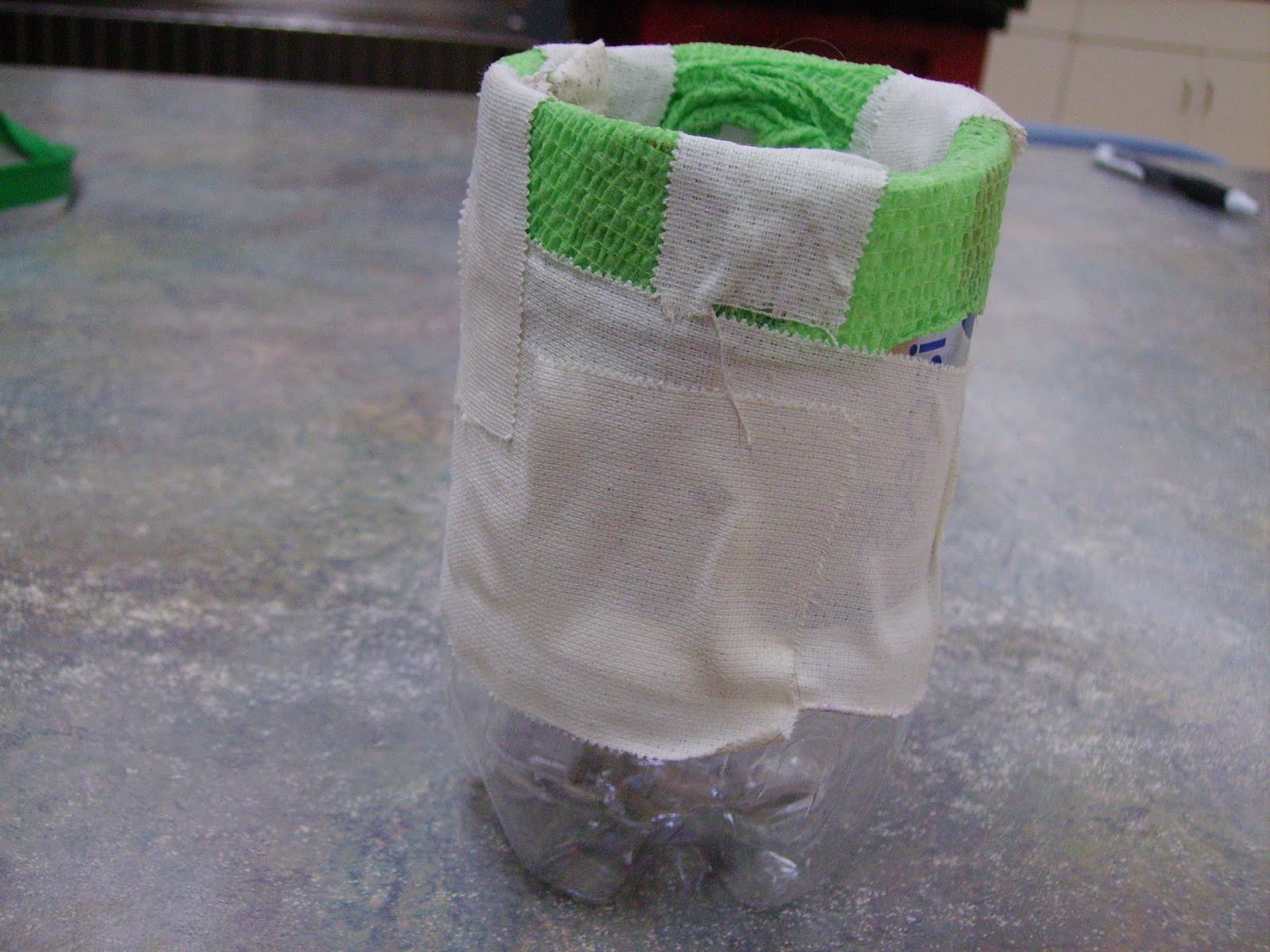
Here is a simple bandage cover that we came up with for a small dog that did not tolerate wearing a plastic bag cover. Commonly, in veterinary medicine, necessity is the mother of invention and it is hard to standardize things like bandage covers since each dog or cat is built a little different. It’s also nice to come up with an inexpensive option for clients rather than purchasing a nylon cover. We also managed to do some recycling!
The staff created a cover for this little dog using a plastic soda bottled and then cutting it to the appropriate length. Next they used Vetwrap and Elasticon or Conoform bandaging tape for the top so that there were no sharp edges and to create a tight seal so the bottle is slipped on and doesn’t come off until someone pulls it off. The cover is not permanent and is slipped on and off for the times the pet is going outside. Leaving any kind of cover on too long will cause bandages to become moist and lead to infections and further complications.

Read more...

Save Our Wildlife, Drive Carefully - Story of a Duck from Colasanti's

>> Wednesday, March 31, 2010


We are very fortunate to live in an area that still has so many parks and wild areas for us to explore. However, in order to maintain these wild areas and their inhabitants for future generations we have to respect the wildlife that live with us. One, very easy, thing that we can do is slow down when we drive and pay close attention to the road.

Lets face it, turtles don't dart in front of cars and frankly most of the wild animals hit by a car are not hit because they jumped in front of a moving vehicle. Most animals get hit because we are either driving too fast or we are not paying attention. It is really unfortunate that many of these animals loose their lives because we cannot take the time to recognize that it is spring and we should exercise a little caution.

Recently we have seen multiple waterfowl that were hit by a car in front of Colasanti's Market. This is a 25 mile an hour zone and it is a wetland area too. I find it hard to believe that these animals were so reckless and fast moving that the drivers could not avoid them.

The picture is of a mallard female, whose mate was killed this week. She was hit in the head and has some damage to her beak. She is also laying eggs. She will be taken over by a wildlife rehabilitator today. We will see if she can be nursed back to health and returned to the wild. Hopefully we can also convince her to sit on her eggs.


So next time you are out driving, slow down in front of Colasanti's, show the respect for the animals in that area, and admire the lovely business that makes the effort to care for the birds. But, also slow down and respect all the other animals along the roadway and keep our beautiful community full of the wildlife we enjoy.

Read more...

A Response To A Negative Review On The Internet

>> Sunday, March 28, 2010

Veterinary Care Specialists and VCS Pets First are small concerns. We are really a family here and the hospital was built and organized with the idea of being a more intimate, ‘patient care intense’ veterinary hospital. We never had ambitions to be big, but we strive to be very good at what we do. I think that we achieve that goal and I am very proud of the support staff and doctors that make our office a caring and professional place.

Veterinarians don’t typically spend 4 + years in college seeking an advanced degree to get rich. We are among the crazy folks that get all that schooling because we really believe in and like what we do. So, when someone says we did not provide adequate care or they were unhappy with our performance we tend to get upset. We take it personally, because we put so much of ourselves into our work.

So recently a client, John Whitt, posted a review of VCS on the internet that was less than stellar. He made a lot of inaccurate claims like ’VCS is the only emergency clinic within a 50 mile radius’, there are actually 3+ Veterinary ER clinics within a 50 mile radius of us, and he felt we provided an excessive estimate for his pets care and, after all, his dog is better now, without all that expense. He neglected to mention that the medications that have helped his dog get better were prescribed by us and without our assistance in that regard his dog may not be doing as well as he is today.

Here is the problem with this situation and this owners thought process. First, their dog, by their admission, had been injured days earlier and was very ill. They had been treating the dog at home with injections of medications, some of which are not appropriate for dogs. The dog had seriously infected bite wounds that were extensive and potentially life threatening. Second, we did what we are ethically bound to do, the very best we can on behalf of the patient. Not to trivialize the problem, but to be sure that the patient’s pain was managed, it’s infections treated and it was protected from the septicemia and organ damage that can occur from chronic deep seeded wounds and certain medications that he received. We also were obliged to provide a plan to debride (surgically cleaning) these wounds so they might heal quickly and by healing more quickly, keep the patient more comfortable. Unfortunately, that plan was costly.

This is the hard part for us to swallow, the owners got angry. Not because we did not care for their dog, we did. We ultimately gave the owners antibiotics and pain medication for their dog. We functioned well within the constraints that they applied to us. But they were upset we gave them a quote for the pet’s very best care. They didn’t understand that we cannot gamble with their pet’s health. It was their option to decline our best plan. Also, they apparently became upset because their pet was lucky enough to get better using a very conservative treatment plan. They’ve even sent emails, sort of flaunting their pet’s success, like that makes us wrong. It doesn’t, it just makes their dog very fortunate. With the years of experience we have and the years of education we’ve received, we realize all the potential outcomes for injuries like their dog sustained and we know how to best manage these wounds, the Whitt’s pet was lucky, pure and simple, he beat the odds, and we are happy for the dog and the owners.

So here is the bottom line for all you pet owners out there that will bring your pet to the vets with a serious health problem: 1. Expect that veterinarian to provide the very best plan for your pets care, 2. If you either don’t want to pursue that plan or cannot afford that plan, don’t get angry, your veterinarian should respect your limitations, whether philosophical or financial, and provide another, more acceptable plan, then, 3. Institute that plan and be very happy if it all works out, and lastly, 4. Don’t be mad if you are offered the very best care possible for your pet, that is what every pet and owner deserves.

Read more...

About This Blog

  © Blogger template Simple n' Sweet by Ourblogtemplates.com 2009

Back to TOP