Are Vaccines Still Necessary?

>> Sunday, August 19, 2012


Vaccines, whether they are for people or animals, have become a very controversial subject. They serve to protect us and our pets from life threatening illness. However, like any medication, they can also cause side effects in certain individuals. Basically, vaccines expose the patient to a small infection. This ‘infection’ then triggers the immune system to respond by developing antibodies or immunity to the infectious organism. Then, when the patient is exposed to a full blown infection, their body can effectively fend off the disease. Vaccines are created in such a way that they trigger that immune response, but spare the patient the illness necessary with a natural infection. 

One of the main reasons we do not see diseases like polio, canine distemper, and rabies in our communities is because of vaccinations. Vaccines reduce our risk of illness when we travel and prevent us from spreading those diseases. Even though certain diseases are uncommon or absent in our community, vaccination may remain necessary. 

The vaccines that are selected for a patient are variable, depending where they live and what our pets do and where they travel. Veterinarians have become better at selecting vaccine protocols to fit our patients. We have also become more prudent recognizing that yearly vaccine protocols are rarely warranted and that vaccine titers can be used to assess whether vaccination is even necessary. We have also become careful about how vaccines are administered. All these efforts help in limiting potential side effects.

Vaccine reactions are rare, however vaccination does carry inherent risks. Just as in people, minor allergic reactions, local inflammation, pain, local tumor growth, or even life threatening shock and anaphylaxis may all occur as a result of vaccination. These events are very uncommon and are far outweighed by the risks of disease. We have learned that vaccines should not be administered to patients that have previously suffered from immune mediated diseases or cancer since vaccines could cause these patients harm. 

Vaccines are important because infectious diseases still exist. The viruses and other infectious organisms we vaccinate against are a constant threat and they are changing and developing all the time. Vaccines and vaccine protocols are changing too. Also new diseases are emerging that warrant completely new vaccines. Major veterinary groups such as AAHA, AVMA and ACVIM have responded to the changing canvas of infectious diseases in our country and our expanding knowledge about our pets immune systems, by creating carefully crafted vaccination protocols. 

We at Veterinary Care Specialists and VCS Pets First have considered all the available scientific data and created a series of vaccine recommendations for the life of your dog or cat. These protocols can be found at www.vcsmilford.com or www.vcspetsfirst.com. Please visit these sites and, as always, feel free to call, email or visit our office to ask questions and learn more about the vaccines, the diseases they prevent, and what would be the best choice for your pet. 

Read more...

How a Veterinary Hospital Can Help Make a Community Sustainable

>> Thursday, August 16, 2012


Until earlier this spring, when I attended a land conservancy meeting, I had not really thought about the issue of a communities sustainability. Once you begin to ponder sustainability, you appreciate it is at the core of the survivability of any organism. It is a philosophical approach to the growth, development and maintenance of a community that could be applied just as easily to a living creature, a family unit, a regional economy, your own professional development or a country. Basically, in order for a community to be sustainable it has to have some very fundamental things like a healthy environment (clean water, clean air, etc), jobs, education, and infrastructure to support the jobs (government, good roads, community safety). 

However, to be truly sustainable a community needs more. It needs to be a place where people want to live. It needs to be the type of place where once you have grown up there you want to return to that place and raise your family, own a house and contribute back. The community needs people to continue to sustain the place that nurtured and nourished them when they were young. It also needs people to be drawn from other areas, because it is so desirable to live there. This is the most difficult aspect of being sustainable. However without jobs and roads, schools and good government, its almost impossible to focus on the less tangible issues like quality of life. Parks and recreation, wildlife preservation, festivals and fairs, art shows, museums, concerts and historical recognition events, all these things help promote our community by showcasing the things that are special in our villages and townships.They entertain those of us that live there and encourage others to consider visiting us more often or even moving to our community. 

Communities that care for  the less fortunate, the aged and the sick demonstrate kindness and empathy. Community outreach services, care of the less fortunate, and  efforts to support service organizations also create an environment of philanthropy that helps attract like minded people. These qualities aid in creating a sustainable community.

Sustainability is the name of the game for business owners as well. If the town that our business is located in cannot encourage new residents, new businesses, maintain infrastructure, or even keep the current inhabitants from moving, then the business will wither and die along with the community. 

Working to keep a community sustainable is not necessarily something that leads to remarkable immediate benefits. The efforts initiated in the present will reach far into the future, laying the ground work towards making our town more attractive, vibrant, and functional. Eventually the return for everyone involved can be significant.

So how does our little hospital help such a lofty cause? We are fortunate that we are located within a  very vibrant community and although we are in Michigan and near Detroit, parts of our community have found innovative ways of growing despite significant disadvantages. 

Like so many privately owned veterinary hospitals we do not have a large budget to devote to supporting community events, but we recognized we could begin by offering our time and our skills. We became members of the area chambers and supported them by attending their events. We joined two major service groups, the Rotary and Optimists. Both of these groups focus on improving the community. We also cared for any wildlife that we could. We either served as a conduit to a rehabilitation facility or we cared for them ourselves and released them. We all enjoy having a large wildlife population in our town and offering care to the injured aids in supporting everyones quality of life. Now we are fortunate to have a doctor that has advanced training in wildlife medicine and the management of exotic pets. One of the reasons she was attracted to our facility was because of our long history of stewardship to wildlife. 

When we can, we help sponsor things like the 4th of July fireworks show, art fairs and other festivals. Sometimes we have exhibits and provide information on pet safety and health care.

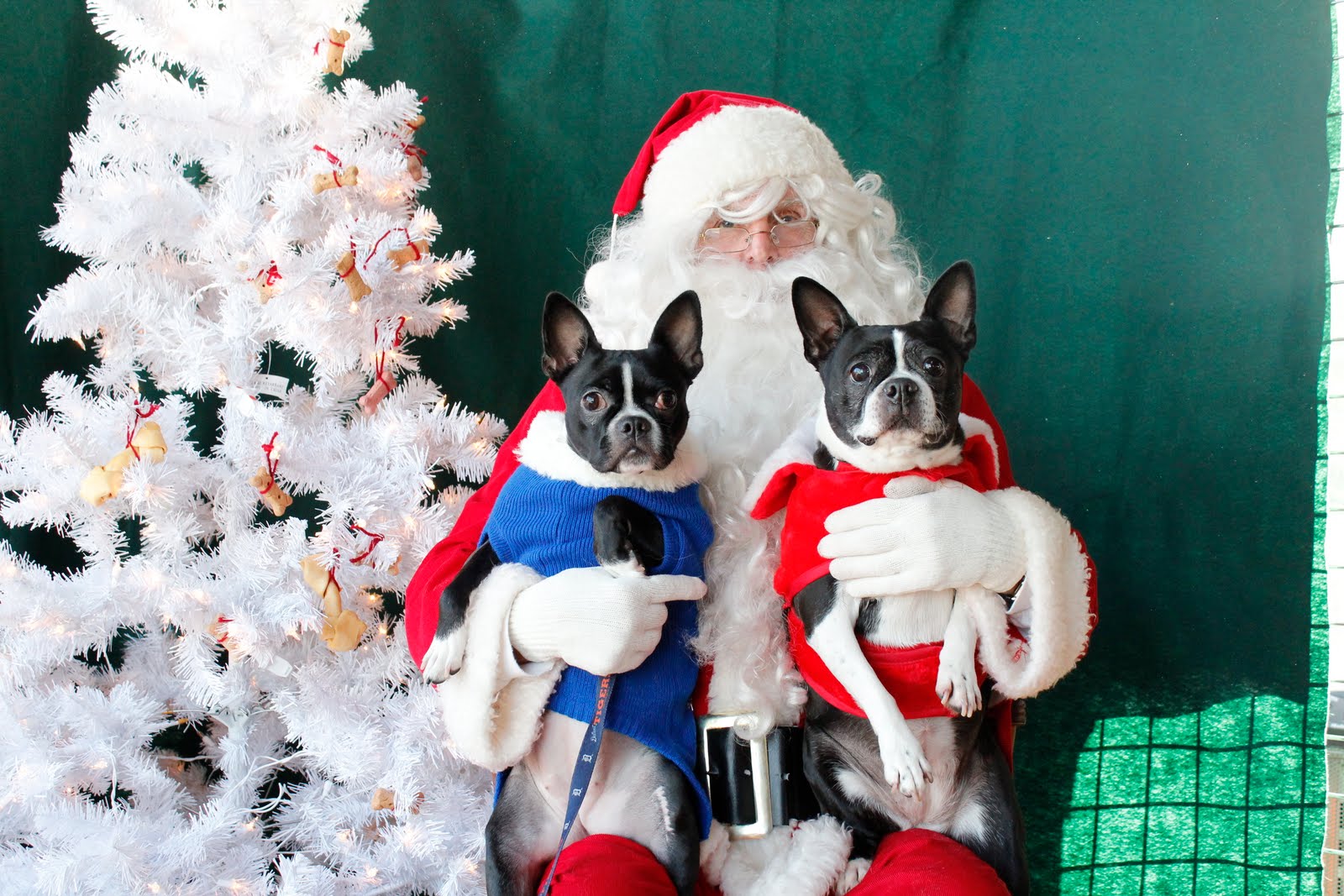
We have used our clinical skills and resources to help a local food pantry offer spays and neuters to their clients that cannot afford veterinary care. We have also made it our ‘pet’ project to help raise funds for the Pet Pantry so they can purchase dog and cat food and distribute it to families in need. We have had annual events like, Dogs Playing Poker and Santa Paws (photos with Santa) to raise awareness of the need and raise funds. 

Our hospital is starting a new initiative with Meals On Wheels. We are helping them distribute pet food to pet owners that can neither afford food nor have the mobility to seek additional services. These individuals rely heavily on that pets companionship. 

Our doctors have visited libraries, schools and career days with demonstrations about exotic pets or explaining what it is to be a veterinarian. We were the first veterinary hospital in the state and possibly the nation to distribute oxygen masks to local fire departments. 

It has taken years for us to establish contacts in the community and develop he programs we have in place. We now have other staff members that help in performing these outreach activities and they too have learned how enjoyable it is to give your time to the community and see the people and animals that benefit from their efforts. 

I think that one of the keys to a sustainable community and a thriving business is to act responsibly through volunteerism, utilization of your business skills to  benefit the community, and supporting public events. It does not necessarily have to be financially burdensome, nor does every member of your business have to participate. I am confident that when a business begins to work towards supporting its community’s sustainability, they both will thrive. 

Read more...

Not Every Problem Gets Better With Surgery !

>> Monday, April 30, 2012

Elbow Hygroma Day 1

Elbow Hygroma Day 60
 I have to admit, I am not a surgeon. I also have to admit that there are many times, as a veterinary clinician, that I really like the option of recommending surgery for some patients. The ability to have a procedure performed that  promptly removes a problem or eradicates a disease is very attractive, but often unrealistic.

As the practice of veterinary medicine has become more refined we have learned that resorting to the seemingly easy answer of surgery is not always the best option for our patients. The case of Jade is a great illustration. Jade is a young adult Labrador that had developed hygromas on both elbows. A hygroma is an area of swollen, fluctuant tissue that is often ulcerated and plagued with secondary infections. They are typically on the lateral (outside) aspect of the elbows and they can be painful.

Jade with her styling new elbow braces
When Jade came to see me the owners were seeking a second opinion. They had tried changing Jade's bedding and they tried wrapping her  elbows, nothing worked. Another veterinarian had recommended surgical excision. I've witnessed the result of trying to remove hygroma's. Just imagine removing abnormal, inflamed tissue from a bony protuberance, like the elbow, where most of these dogs abrade that area whenever they lay down. The removal isn't difficult, it's the healing that is almost impossible. The patients that do have surgery suffer a protracted and difficult recovery time and often have a recurrence of the hygroma.

I suggested to the owners that they consider braces to protect Jades elbows and support the tissue so it might heal.  Two months later the owners sent me these great photos. I have seen Jade since and she continues to do well. She enjoys wearing her braces, in fact the owner says she doesn't like to leave the house without them!

Jade is happy and so are her parents and so surgery!
( Braces like Jade's can be purchased from www.dogleggs.com. )


Read more...

Dog Gone Day - Video Release!!!

>> Sunday, January 22, 2012

Please visit vmeo at the link below. Paige Erlich is an incredibly talented film maker and this film will be featured at the Mitten Film Festival in Royal Oak on the 7th of February. Please join us and see it on the big screen.
The film tells the story of a cable guy and his adventures with a number of different dogs. Paige really demonstrated her talent and patience by choosing to work with animals. The big white dog is our own Darwin, our family pet and a blood donor at the hospital. The harried business man is my wonderful husband, Peter. They both proved to be talented actors. Maybe they will be discovered along with Paige!
Enjoy....

Dog Gone Day from Paige Erlich on Vimeo.

Read more...

More Photos With Santa!

>> Wednesday, December 14, 2011


It was a great day and a huge turn out at the Historic Milford Power Station. Thank you to everyone the supported the event. Please remember that we are still in need of donations of food or money to Pet Pantry. They are currently feeding 500 + pets each month.
If you have a donation and cannot get to Community Sharing you are welcome to drop it off at VCS!

Read more...

Santa Paws Visits Milford Power Station ! Next Visit December 11th

>> Sunday, December 4, 2011


We had a great day at the historic Milford Power Station, 225 w. Liberty, on Saturday the 3rd. Please join us on December the 11th from 12 PM to4 PM.Santa will return to benefit the Pet Pantry. Bring a cash or pet food donation for the Community Sharing Pet Pantry and receive a beautiful photo of your pet/family with Santa and a digital image on a DVD to share with your family and friends.

HAPPY HOLIDAYS !!!


Read more...

Picture Your Pet With Santa And Contribute To The Pet Pantry

>> Sunday, November 27, 2011

Get a great photo of your pet(s) with Santa and support a fantastic cause, The Pet Pantry at Community Sharing!

Please join us at the historic Milford Power House 225 w. Liberty on December 3rd from 11 AM-3PM and December 11th from 12 - 4 PM.

Cash or pet food donations will be accepted in exchange for a wonderful photo.

Read more...

About This Blog

  © Blogger template Simple n' Sweet by Ourblogtemplates.com 2009

Back to TOP